


Spicule Treatments Explained – From Gentle Glow to Intensive Renewal


Spicule treatments have become one of the most talked-about innovations in professional skincare. But what are they really?
And why do some feel “mild and fresh”, while others trigger visible peeling?
Let’s break it down in a simple, honest way.
What are spicules?
Spicules are microscopic, needle-like structures derived from freshwater sponge (Spongilla). When massaged into the skin, they create controlled micro-stimulation.
Not damage.
Not trauma.
But intentional activation.
This stimulation encourages:
– Increased circulation
– Accelerated cell turnover
– Collagen activity
– Natural renewal from within
Think of it as telling your skin: “Wake up. It’s time to work again.”
Not all spicule treatments are the same
This is important.
The strength, intensity and downtime depend on:
– The concentration of spicules
– The particle size
– The treatment protocol
– Your skin condition
At Instaskin, I work with different levels — because not every skin needs the same intensity.
Bioherb 50 – The Gentle Introduction
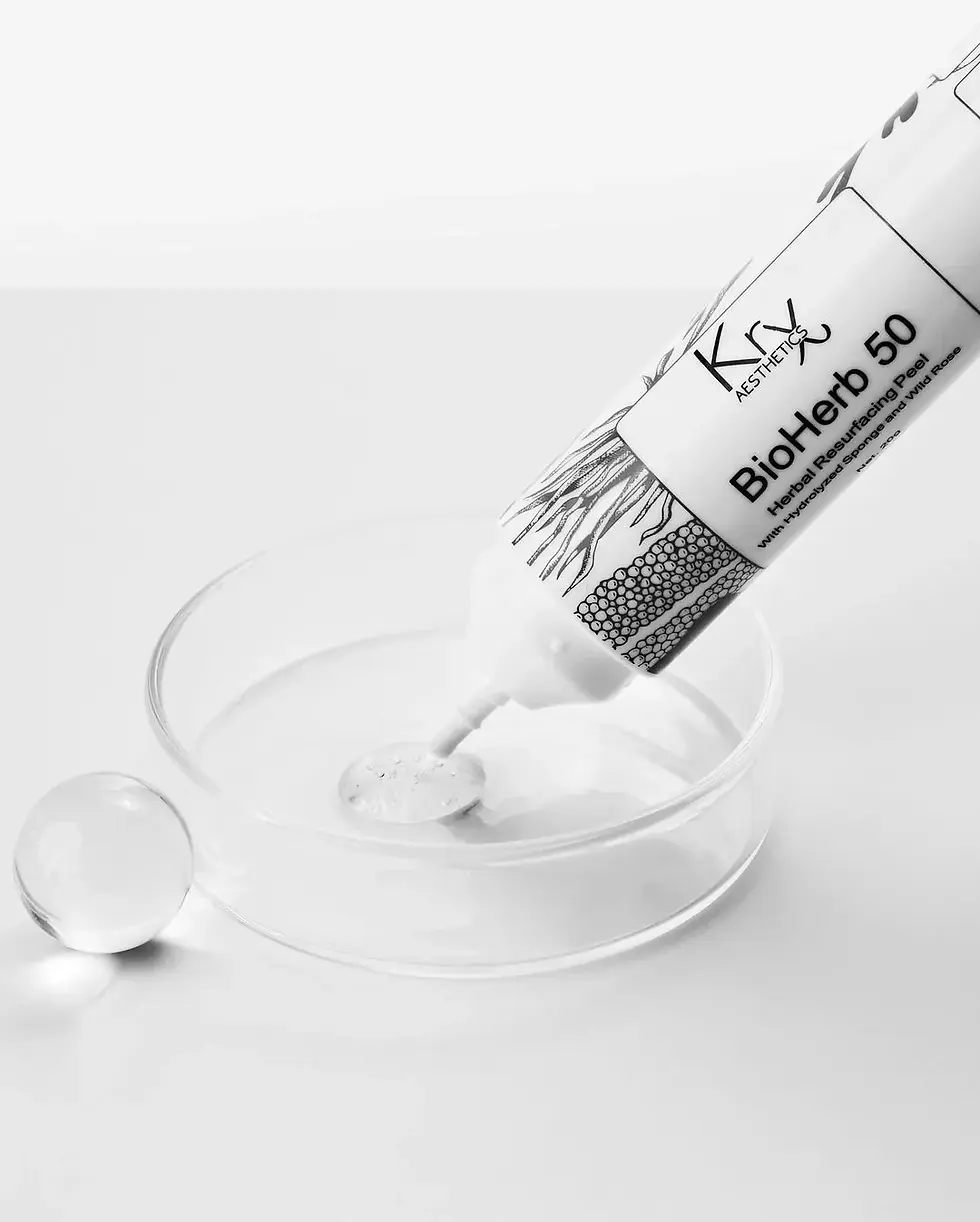
Bioherb 50 contains approximately 70% fewer spicules compared to stronger bio-microneedling systems.
That makes it ideal if:
– It’s your first spicule treatment
– You want minimal downtime
– You prefer mild peeling
– Your skin is sensitive but not barrier-damaged
You’ll feel stimulation, but recovery is usually smooth and comfortable.
This is controlled renewal without overwhelming the skin.
SQT Bio-Microneedling – Targeted Cellular Activation

SQT is not one single treatment.
There are four different SQT protocols, each designed for a specific skin concern.
That means we don’t just “increase intensity” — we choose direction.
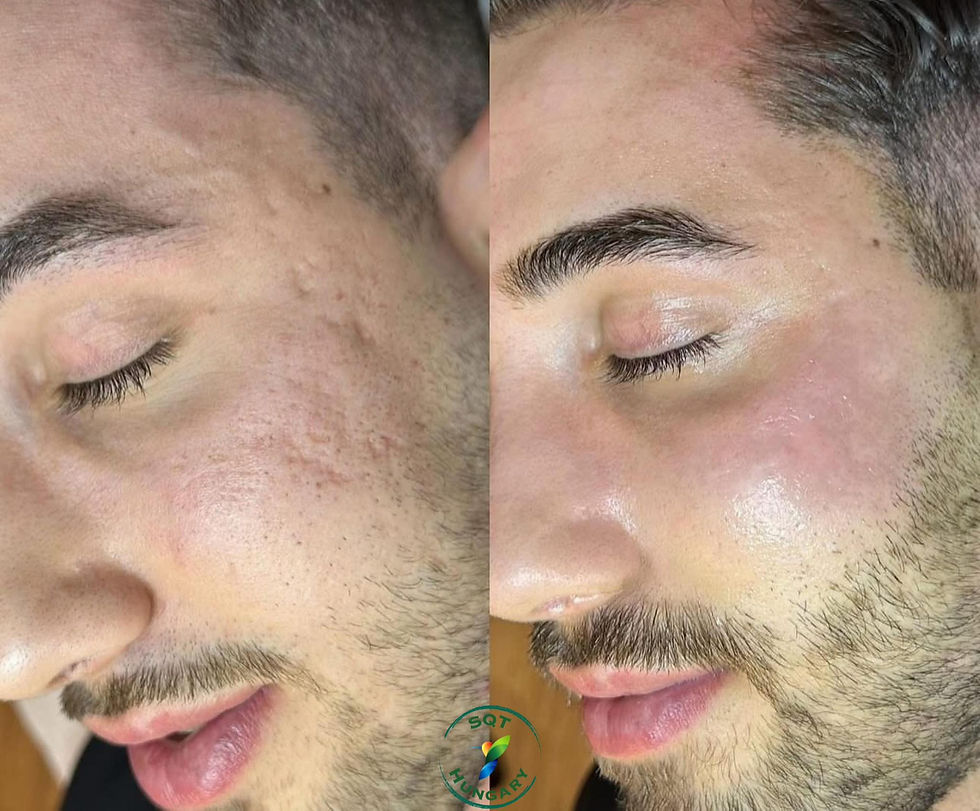
SQT Resurfacing Protocol Designed to support skin with acne history, congestion and post-acne scarring.
Focus: regulation, resurfacing and structural repair.
SQT Revitalizing Protocol Targets uneven tone and sun-induced pigmentation.
Focus: controlled renewal and brightening support.
SQT Nourishing Hydrating Protocol For dehydrated, tired or dull skin that needs stimulation without excessive peeling.
Focus: renewal + moisture balance.
SQT Anti-Aging Protocol
Aims to support collagen activity and firmness.
Focus: elasticity, texture and long-term skin density.
Peeling varies depending on the protocol and your skin’s response.
Cellular stimulation is stronger than with Bioherb 50, but still fully controlled and customized.
This is not about being aggressive.
It’s about being precise.
Green Sea Peel – Intensive Structural Renewal

Green Sea Peel is a classic stronger spicule-based system.
It’s chosen when we aim for:
– More dramatic resurfacing
– Texture correction
– Deeper structural improvement
This is not a “quick glow” treatment.
It’s strategic skin remodeling.
Why aftercare matters more than intensity
This part is often misunderstood.
After a true spicule treatment, the goal is not to over-soothe or over-hydrate the skin.
The micro-stimulation is intentional — and the peeling phase is part of the process.
During the first days, we focus on:
– Keeping the skin clean
– Avoiding barrier-repair (cica) creams
– Not overloading with active ingredients
– Allowing the natural renewal cycle to complete
Excessive hydration or rich “comfort creams” can interfere with the exfoliation phase and slow down the intended effect.
Support — yes.
Over-correcting — no.
Later in the recovery phase, we can introduce regenerative support such as PDRN or calming hydrojelly masks, but timing is everything.
Skin remodeling works best when we respect the biology.
How I choose the right level for you
I don’t choose intensity based on trends.
I choose based on your skin history, Fitzpatrick type, sensitivity level, lifestyle, healing capacity, etc.
Sometimes the gentlest option gives the best long-term results.
Stronger is not automatically better.
Smarter is better.
Who is a good candidate?
Spicule treatments may be suitable if you struggle with:
– Uneven texture
– Dullness
– Acne scars
– Pigmentation
– Loss of firmness
But they are not for everyone.
Barrier-damaged or highly reactive skin needs preparation first.
Final Thoughts
Spicule technology is powerful.
But in the right hands, it’s not aggressive — it’s precise.
From gentle Bioherb 50 to more intensive systems, the goal is always the same:
Healthy, resilient, intelligent skin renewal.
If you’re unsure which level fits your skin, book a consultation and we’ll build a strategy that makes sense for you.
FAQ – Spicule Treatments
Does a spicule treatment hurt?
You will feel a tingling, prickly sensation during the treatment. It’s intense but tolerable. Afterwards, the skin may feel slightly tight or sensitive for a few days, depending on the strength used.
How many days will I peel?

With Bioherb 50, peeling is usually mild and may last 2–3 days. With stronger systems like SQT or Green Sea Peel, visible peeling can last 3–5 days.
Not everyone peels dramatically! And peeling is not the only indicator of results.
How many sessions do I need?
For general skin renewal, 1–3 sessions may already show improvement. For acne scars or pigmentation, a structured series is usually recommended.
We always assess this individually.
Is it safe for sensitive skin?
It depends on the type of sensitivity.
If your barrier is compromised, we first repair and stabilize the skin. If your skin is simply reactive but healthy, a gentle option like Bioherb 50 can often be suitable.
Can I combine it with other treatments?
Yes — but timing matters.
Spicule treatments can be combined strategically with LED therapy, regenerative serums, PDRN or hydrojelly masks to support healing.
Your protocol is always customized.
When will I see results?
Some clients notice improved glow within a week. Structural improvements (texture, firmness) develop gradually over several weeks as collagen activity increases.
Skin renewal is a process, not an overnight event.
Which cream should I use after the treatment?

Avoid heavy barrier-repair or CICA creams right after a spicule treatment. The goal is to allow the natural exfoliation process to complete — not to block it.
For the first few days, use a light, simple moisturizer.
SQT also has a dedicated foaming cleanser and post-treatment cream designed specifically for this protocol, available in the salon.
Right product.
Right timing.
Ready to start your skin renewal journey?
Whether you’re looking for a gentle introduction or a more intensive protocol, choosing the right level matters.
You can book directly below:
Not sure which option is right for your skin?
Let’s build a strategy that makes sense for your skin — not just follow a trend.


